
How Does 24/7 IT Support Actually Work for Construction Companies?
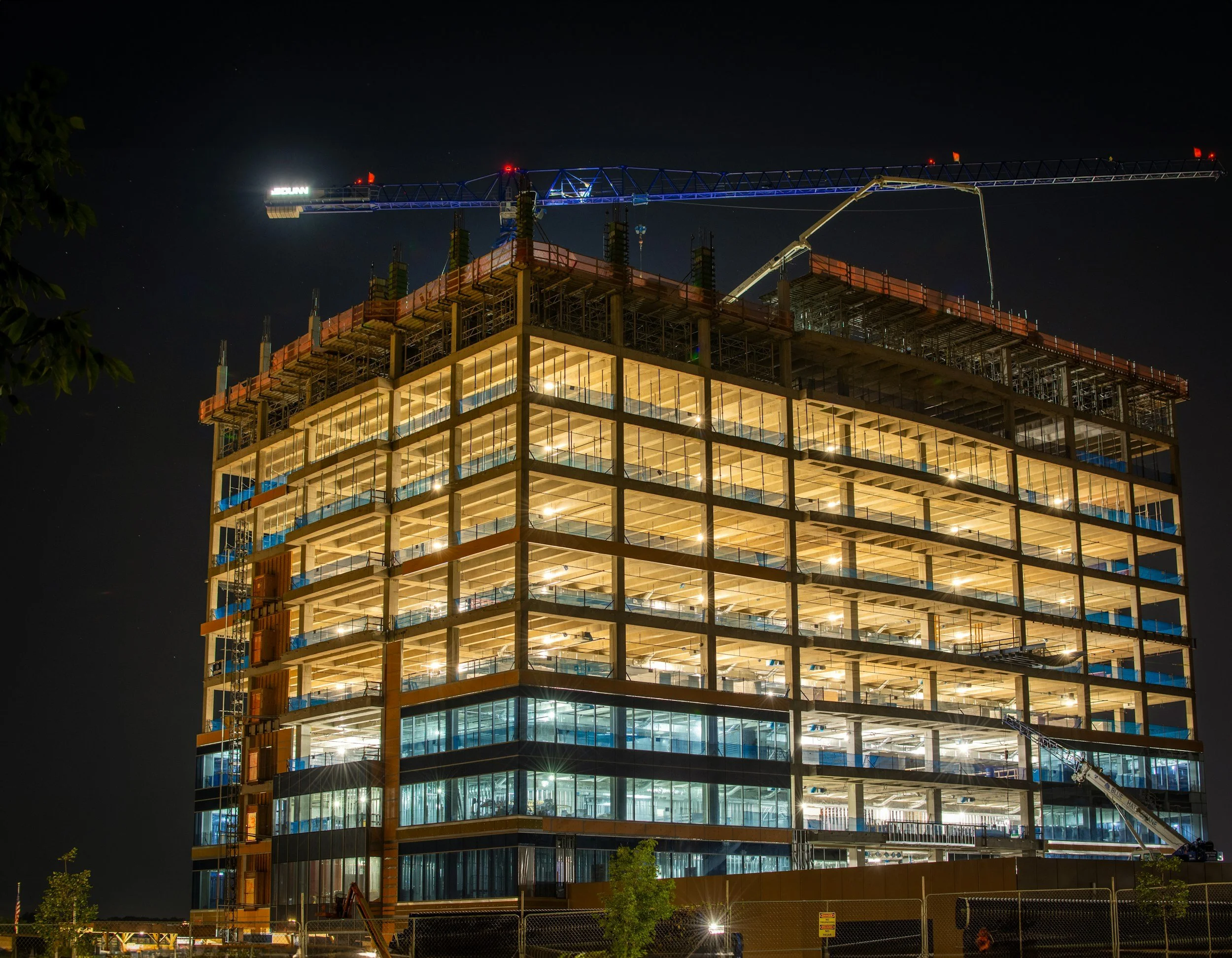
24/7 IT support for construction companies means systems are monitored around the clock, with real humans available to respond (often within 15 minutes) when issues impact job sites, remote crews, or after-hours work. For construction firms with 10-25 employees, this level of support is critical because outages don’t follow office hours. True 24/7 IT support includes continuous monitoring, after-hours response, and escalation paths for onsite support when problems can’t be fixed remotely.
What “24/7 IT Support” Really Means
The phrase “24/7 IT support” is often used in marketing, but for construction companies, it’s important to understand what it actually includes. Not all 24/7 support models are the same, and the difference can directly impact job-site reliability and after-hours productivity.
First, there is a distinction between 24/7 monitoring and 24/7 live support. Monitoring means that networks, servers, firewalls, and endpoints are continuously observed for issues, even outside business hours. Automated alerts notify technicians if something fails, allowing them to investigate immediately. This proactive approach can resolve certain problems before crews arrive on-site the next morning. However, monitoring alone does not necessarily mean a live technician is available to answer calls at midnight.
After-hours helpdesk access refers to the ability for employees to contact a real support team outside standard business hours. For construction companies that start early, run extended shifts, or manage time-sensitive deadlines, this can be critical. If a project manager cannot access cloud files before a 6:00 a.m. meeting or a job trailer loses connectivity late in the evening, waiting until the next business day may not be acceptable.
It’s also important to distinguish between emergency and non-emergency issues. True 24/7 support typically prioritizes critical problems such as job-site internet outages, server failures, security incidents, or company-wide system disruptions. Non-urgent requests like new user setups or minor software adjustments may still be scheduled during regular business hours. Clear definitions ensure that after-hours resources are focused on protecting active projects and preventing costly downtime.
For construction companies, understanding what “24/7 IT support” truly means helps ensure expectations align with operational needs. It’s not just about availability, it’s about structured coverage designed to protect schedules, crews, and revenue at any hour.
Issues That Commonly Happen After Hours
Construction projects don’t always operate on a traditional 9-to-5 schedule. Early starts, extended shifts, and tight deadlines mean that critical IT issues often surface outside normal business hours. When they do, waiting until the next morning can result in lost productivity and cascading delays.
Job-site connectivity failures are one of the most common after-hours problems. Crews may arrive early to prepare for the day, only to discover the trailer has no internet access. Without connectivity, access to cloud-based platforms, updated drawings, and communication tools may be unavailable. Even if the outage begins overnight, it affects the first shift immediately.
Access issues within platforms like Procore are another frequent concern. Password lockouts, permission errors, or syncing failures can surface at inconvenient times, particularly before inspections or scheduled coordination meetings. If project managers or supervisors cannot retrieve critical documents or confirm approvals, the entire workflow may slow down.
Security alerts and suspicious login attempts also tend to occur outside standard business hours. Automated monitoring systems may flag unusual access patterns, failed login attempts, or potential phishing activity overnight. Without 24/7 oversight, these alerts may go unnoticed until the next business day, increasing the risk of data compromise or system disruption.
These after-hours scenarios highlight a key reality: construction operations are time-sensitive, and technology issues rarely wait for convenient timing. Structured 24/7 IT support ensures that when problems arise, they are addressed quickly, protecting job-site productivity and overall project momentum.
How Monitoring Prevents Emergencies
One of the most valuable components of 24/7 IT support for construction companies is proactive monitoring. While live after-hours helpdesk access is important, continuous monitoring is what often prevents emergencies from escalating in the first place. Instead of waiting for someone to report a problem, monitoring systems identify failures as they happen, or sometimes before they fully disrupt operations.
Catching issues before crews arrive can make a significant difference. If a firewall goes offline at 2:00 a.m., if a server begins failing overnight, or if internet connectivity drops unexpectedly, monitoring tools immediately generate alerts. Technicians can begin investigating and resolving the issue before project managers or field supervisors even step onto the job site. In many cases, systems can be restored before the first shift starts, avoiding lost labor hours altogether.
There is also an important distinction between automated alerts and user-reported issues. Without monitoring, most IT problems are discovered only after someone notices and submits a ticket. That delay, sometimes an hour or more, adds to total downtime. Automated alerts remove that gap, allowing technicians to respond instantly rather than reactively.
Reducing overnight downtime is ultimately about minimizing the impact window. The earlier an issue is identified and addressed, the less disruption it causes. For construction companies operating multiple job sites or managing tight schedules, this early detection can mean the difference between a minor inconvenience and a costly delay.
In practice, monitoring is what transforms 24/7 support from a reactive service into a proactive safeguard. It shifts IT from waiting for problems to actively protecting operations around the clock.
Escalation Paths for Construction Firms
Effective 24/7 IT support is not just about answering calls at any hour. It depends on having a clear escalation path that matches the realities of construction operations. When issues arise, especially outside business hours, there must be a structured process to diagnose, prioritize, and resolve problems quickly.
Most escalation paths begin with remote response. When an alert is triggered or a support request is submitted, technicians immediately begin remote troubleshooting. This allows them to determine whether the issue involves user access, configuration settings, security alerts, or broader connectivity problems. Remote triage is often the fastest way to contain the issue and assess its impact across job sites or systems.
If the issue cannot be resolved remotely, escalation moves to onsite support. Construction environments frequently involve physical networking equipment, temporary infrastructure, and hardware that requires hands-on attention. When job-site connectivity fails due to damaged cabling, router malfunction, or power issues, dispatching a technician becomes the next step. Clear escalation procedures ensure there is no hesitation when physical intervention is required.
Coordinating with vendors and ISPs is another critical part of the escalation process. Internet service providers, hardware vendors, and cloud platforms may need to be engaged during outages. An experienced IT provider can communicate technical details, open priority tickets, and push for faster resolution. Without this coordination, construction teams may spend valuable time navigating vendor support systems instead of focusing on the project.
For construction firms, a defined escalation path ensures that after-hours problems are handled methodically rather than reactively. It provides confidence that whether the issue is software-based, infrastructure-related, or vendor-driven, there is a clear plan to restore operations as quickly as possible.
What to Look for in True 24/7 Support
Not all 24/7 IT support models are built the same. For construction companies, the difference between advertised availability and structured, reliable coverage can directly impact job-site productivity and project timelines. Understanding what defines true 24/7 support helps ensure your operations are protected around the clock.
Guaranteed response times should be clearly defined and documented. It’s not enough for a provider to claim they are available at all hours. Construction firms should look for written commitments outlining how quickly critical issues are acknowledged and actively worked on, even overnight. A meaningful guarantee includes clear priority levels and measurable engagement standards—not vague promises of “after-hours coverage.”
Another important factor is avoiding outsourced call centers that only log tickets without resolving them. Some providers advertise 24/7 support, but after-hours calls are routed to third-party operators who simply collect information and pass it along for later review. True 24/7 support means technicians with real troubleshooting capability are available when problems occur, not just message-taking services.
Construction-specific experience is equally critical. An IT provider that understands job-site environments, early start times, temporary infrastructure, and platforms like Procore and Microsoft 365 can prioritize and escalate appropriately. They recognize that a trailer without internet at 6:00 a.m. is not a minor inconvenience, it’s a potential project delay.
Ultimately, true 24/7 IT support for construction companies combines guaranteed response, capable technical staff, and industry familiarity. It’s not just about being reachable, it’s about being prepared to protect operations at any hour. A 25-employee construction firm avoided a full-day outage when overnight monitoring detected a failing firewall. The issue was resolved remotely before crews arrived, saving an estimated $8,000+ in lost productivity.
