
Do Construction Companies Need Special Cybersecurity for Insurance and Compliance?
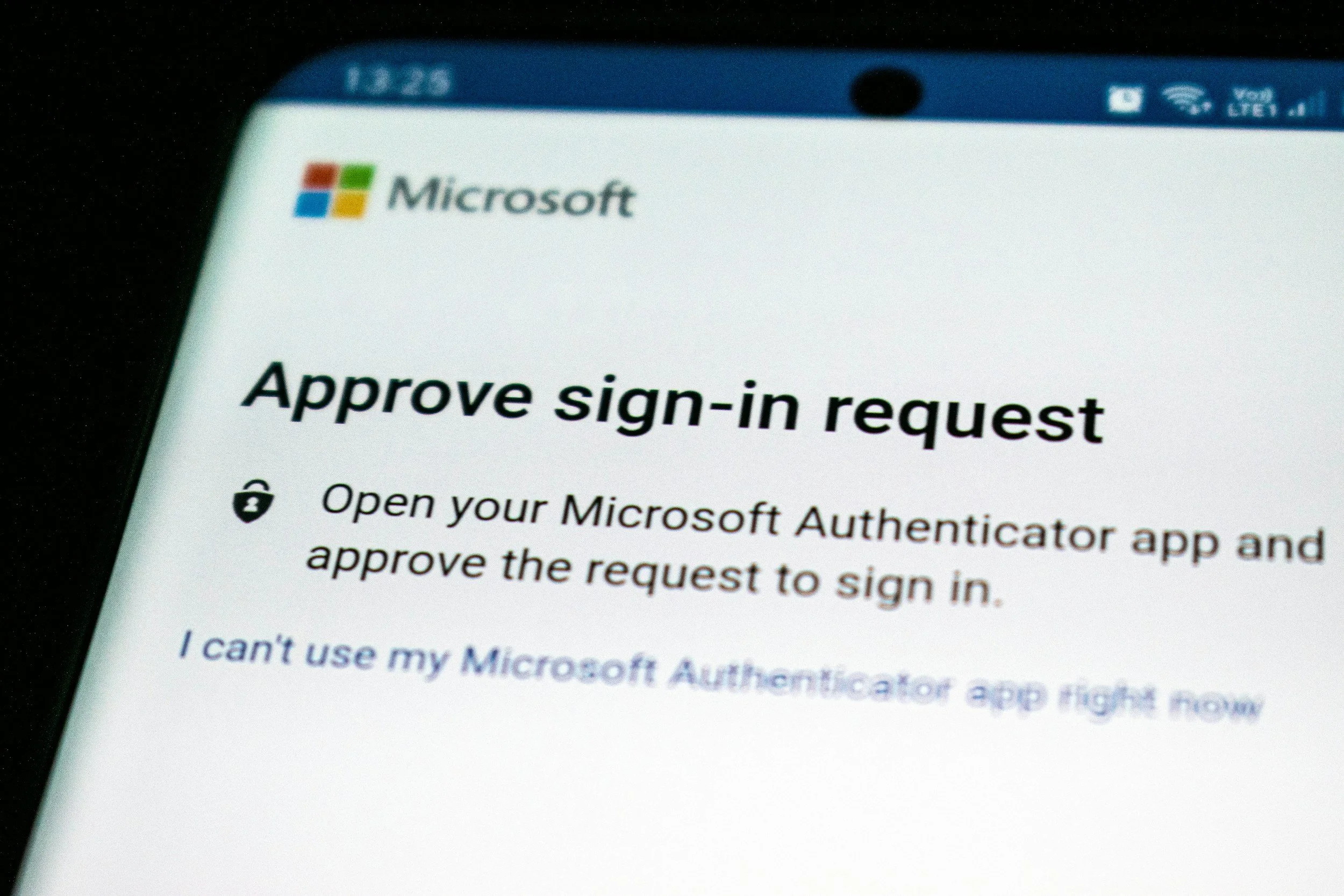
Most cyber insurance providers now require construction companies to implement 5-8 core cybersecurity protections before issuing or renewing coverage. For companies with 10-25 employees, missing safeguards such as multi-factor authentication, endpoint security, and verified backups can result in denied claims or insurance premium increases of 20-40%. Because construction companies rely on cloud platforms like Procore, Microsoft 365, and accounting systems, insurers increasingly require documented security controls to protect sensitive project data and financial transactions.
What Cyber Insurance Providers Require
Cyber insurance providers have become significantly stricter in recent years, especially for industries like construction that handle financial transactions, project documents, and vendor communications. Many companies are surprised during policy renewal to learn that certain cybersecurity controls are now mandatory in order to qualify for coverage.
One of the most common requirements is multi-factor authentication (MFA) across all user accounts. MFA adds an additional verification step beyond a password, typically through a mobile approval or one-time code. Because stolen or compromised credentials are a leading cause of cyber incidents, insurance carriers often require MFA for email systems, cloud platforms such as Microsoft 365, remote access tools, and administrative accounts.
Endpoint protection and monitoring are also standard expectations. Insurance providers want assurance that every company device (such as laptops, desktops, and servers) is actively monitored for malware, ransomware, and suspicious activity. Modern endpoint security tools continuously scan devices and alert IT teams to potential threats before they spread across the network.
Secure backups and recovery testing are another critical requirement. It is no longer enough to simply have backups in place. Insurance carriers increasingly require proof that backups are stored securely, isolated from production systems, and regularly tested to confirm they can be restored. This ensures that if ransomware or data corruption occurs, the company can recover its systems without prolonged downtime.
Employee security awareness training is also becoming a standard component of cyber insurance compliance. Since phishing emails and social engineering attacks remain common entry points for attackers, insurers expect companies to educate employees on identifying suspicious messages, protecting credentials, and reporting potential threats quickly.
For construction companies, these requirements reflect a broader shift in the insurance industry. Cybersecurity is no longer viewed as optional protection. Cybersecurity is a prerequisite for maintaining coverage and protecting project operations.
Security Standards Construction Companies Must Meet
Meeting cyber insurance requirements is only one part of the equation. Construction companies also need to maintain baseline security standards that protect project data, financial systems, and job-site operations. These standards help prevent incidents while also demonstrating compliance with insurer expectations and contractual obligations.
Password and access control policies form the foundation of most cybersecurity programs. Strong password requirements, role-based access controls, and properly managed administrative privileges help limit who can access sensitive systems and data. When combined with multi-factor authentication, these policies significantly reduce the risk of unauthorized access to platforms such as Microsoft 365, Procore, and other project management systems.
Device security is especially important in construction environments where laptops, tablets, and mobile devices frequently move between offices and job sites. Devices should be protected with encryption, endpoint security software, and centralized management policies. If a device is lost or stolen, remote lock and wipe capabilities help prevent project files or company credentials from falling into the wrong hands.
Email filtering and phishing protection are also critical. Construction companies often exchange invoices, payment instructions, contracts, and project documentation through email, making them frequent targets for phishing attacks and vendor impersonation scams. Advanced email security tools help identify malicious links, suspicious attachments, and fraudulent messages before employees interact with them.
Network monitoring and alerting provide continuous oversight of company systems. Firewalls, servers, and endpoints should be monitored for unusual activity such as repeated login failures, unexpected data transfers, or unauthorized configuration changes. Early detection allows IT teams to respond quickly and contain potential threats before they affect operations.
For construction companies, maintaining these security standards supports both operational stability and insurance compliance. Strong policies, protected devices, secure communications, and proactive monitoring work together to reduce risk and keep projects running smoothly.
Risks of Not Meeting Insurance Requirements
Failing to meet cyber insurance security requirements can create serious financial and operational risks for construction companies. Many organizations assume that once they purchase a policy, they are fully protected. In reality, insurance providers often require proof that specific security controls are in place before they approve claims or renew coverage.
One of the most significant risks is denied ransomware claims. If an investigation reveals that required safeguards (such as multi-factor authentication, endpoint protection, or verified backups) were not properly implemented, the insurer may reject the claim. This can leave the company responsible for recovery costs, lost productivity, and potential ransom demands, which can quickly reach hundreds of thousands of dollars.
Increased policy premiums are another common consequence. As cyber threats continue to rise, insurers are tightening underwriting standards. Companies that cannot demonstrate strong cybersecurity practices may face significantly higher premiums or limited coverage options. In some cases, insurers may require security improvements before they will even issue or renew a policy.
Contractual compliance issues can also arise with project owners, general contractors, and partners. Many construction contracts now include cybersecurity expectations or insurance requirements tied to data protection and system availability. If a company’s security posture falls short of these expectations, it may jeopardize partnerships or disqualify the firm from certain projects.
The most immediate risk, however, is operational disruption and financial exposure. A successful cyberattack can lead to lost project files, inaccessible drawings, compromised financial records, or halted communication between office staff and job sites. Without proper security controls and recovery plans in place, the impact on schedules, budgets, and client relationships can be severe.
For construction companies, meeting cyber insurance requirements is about more than compliance, it is about protecting the stability of ongoing projects and the financial health of the business.
Preparing for a Cyber Insurance Audit
Cyber insurance providers increasingly conduct detailed reviews of a company’s cybersecurity practices before issuing or renewing coverage. For construction companies, preparing for this process in advance can prevent last-minute surprises and ensure that policies remain active without delays or increased premiums.
The first step is reviewing existing security controls. Companies should evaluate whether required protections (such as multi-factor authentication, endpoint protection, email filtering, and network monitoring) are consistently implemented across all systems. This review should include cloud platforms, job-site devices, and remote access tools to confirm that security policies apply to both office and field environments.
Documenting backup procedures is equally important. Insurers often require evidence that backups are not only in place but also secure and recoverable. Construction firms should be able to demonstrate where project files are stored, how frequently backups occur, and whether restoration testing has been performed. Clear documentation helps prove that the organization can recover quickly if systems are compromised.
Identifying security gaps before renewal allows companies to address weaknesses proactively rather than reacting to insurer demands. Common gaps may include incomplete MFA deployment, outdated endpoint protection tools, or inconsistent access control policies. Conducting an internal security review several months before policy renewal provides time to correct these issues.
Working closely with an experienced IT provider can make this process much easier. Managed IT teams can assess current systems, verify compliance with insurer requirements, implement additional safeguards, and provide documentation when needed. This collaboration ensures that security improvements align with both operational needs and insurance expectations.
For construction companies, preparing for a cyber insurance audit should be treated as an ongoing process rather than a last-minute task. When security controls are regularly reviewed, documented, and improved, maintaining coverage becomes far less stressful and far more predictable.
Maintaining Compliance Over Time
Meeting cyber insurance requirements once is only the beginning. To maintain coverage and protect project operations, construction companies must continue strengthening their security posture as technology and threats evolve. Ongoing oversight ensures that safeguards remain effective and aligned with insurer expectations.
Continuous monitoring and regular updates are key to maintaining compliance. Security tools such as endpoint protection, firewalls, and threat detection systems should be monitored for suspicious activity and updated as new vulnerabilities emerge. Keeping systems patched and security controls current helps prevent attackers from exploiting outdated software or configurations.
Security reviews during policy renewal are another important step. Insurance providers typically reassess cybersecurity practices each year, often requiring updated documentation or verification that required protections remain in place. Conducting an internal review before renewal helps ensure that controls such as MFA enforcement, secure backups, and access policies still meet insurer standards.
Employee training and phishing awareness should also remain a consistent focus. Since many cyber incidents begin with phishing emails or social engineering attempts, regular training helps employees recognize suspicious messages and respond appropriately. Ongoing awareness programs reinforce safe practices and reduce the likelihood of human error leading to a security incident.
Finally, companies must adjust security controls as threats evolve. Cyberattacks continue to grow more sophisticated, and what met insurance requirements a few years ago may no longer be sufficient today. Regularly evaluating policies, tools, and procedures helps ensure that protections remain effective and compliant with both insurance standards and industry best practices.
For construction companies, maintaining cybersecurity compliance is an ongoing process. With consistent monitoring, periodic reviews, employee awareness, and adaptable security controls, organizations can protect their operations while maintaining the coverage required to safeguard their projects and financial stability. A 15-employee construction firm preparing for cyber insurance renewal discovered several missing security controls. After implementing MFA, endpoint protection, and verified backups, the company passed the insurance review and avoided a 35% premium increase.
