
What IT Mistakes Cost Construction Companies the Most Money?
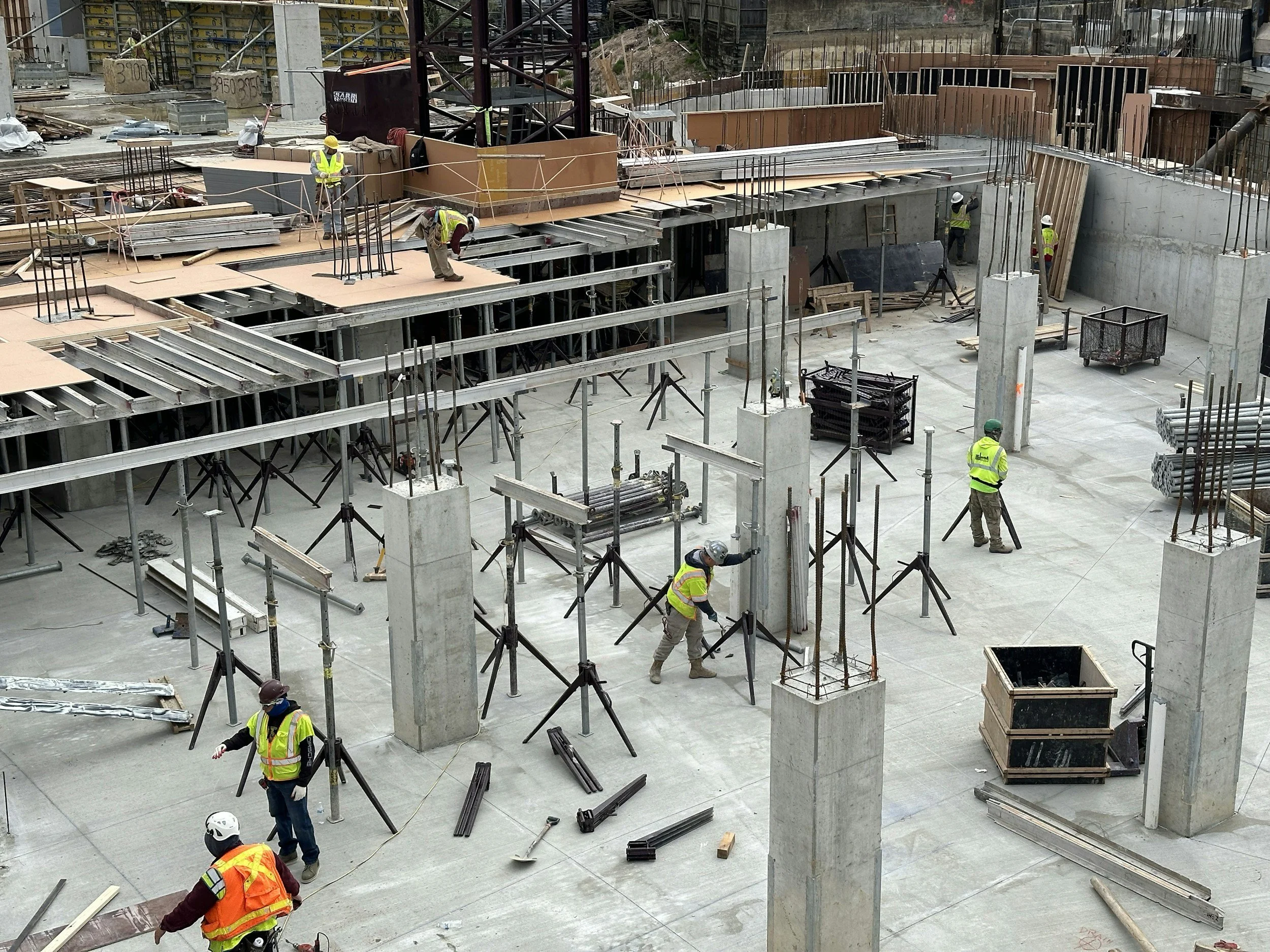
Construction companies with 10–25 employees often lose $10,000–$100,000+ per year due to preventable IT mistakes, including poor job-site connectivity, weak cybersecurity, lack of backups, and slow response times. Many of these issues don’t appear critical until they cause project delays, data loss, or financial fraud. Identifying and fixing these common IT mistakes can significantly improve operational efficiency and reduce costly disruptions across job sites and office operations.
Poor Job-Site Connectivity Planning
Reliable connectivity is critical for modern construction operations, yet many companies underestimate its importance until problems occur. Poor job-site connectivity planning can quickly turn into a costly issue, affecting productivity, communication, and project timelines.
One of the most common mistakes is failing to build redundancy into internet connections. Relying on a single provider or connection type leaves job sites vulnerable to outages. When the primary connection fails and no backup is available, crews may lose access to cloud platforms, drawings, and communication tools until service is restored.
Unreliable networks can also delay crews and disrupt workflows. Weak Wi-Fi coverage, improperly configured equipment, or unstable connections in job trailers can slow access to project files and communication systems. Even short delays can compound throughout the day, especially when multiple team members depend on the same network.
A lack of proactive monitoring further increases risk. Without visibility into network performance and potential issues, problems are often discovered only after they affect operations. Monitoring tools can detect outages, performance drops, or equipment failures early, allowing IT teams to respond before disruptions escalate.
For construction companies, connectivity directly impacts productivity and project schedules. Proper planning, redundancy, and monitoring help ensure that job-site networks remain reliable and support daily operations without costly interruptions.
Weak Cybersecurity Protections
Weak cybersecurity is one of the most expensive IT mistakes a construction company can make. While it may not be immediately visible, the financial impact of a breach—through downtime, lost data, fraud, or recovery costs—can far exceed the investment required to prevent it.
One of the most common gaps is the absence of multi-factor authentication (MFA) and endpoint protection. Without MFA, stolen or guessed passwords can allow attackers direct access to email, financial systems, and project platforms. Without endpoint protection, devices such as laptops and tablets are more vulnerable to malware and ransomware attacks that can spread quickly across the organization.
This lack of protection increases exposure to ransomware and phishing. Construction companies are frequent targets for these attacks due to the volume of financial transactions and email-based communication. A successful phishing attempt can lead to compromised accounts, fraudulent payments, or encrypted files that halt project operations until systems are restored.
Unsecured job-site devices add another layer of risk. Laptops and tablets used in the field often connect to temporary networks and may be shared among users. If these devices are not properly secured with encryption, access controls, and monitoring, they can become entry points for attackers or sources of data loss if lost or stolen.
For construction companies, cybersecurity is directly tied to financial protection. Strong authentication, endpoint security, and properly secured devices help prevent incidents that can disrupt projects, damage relationships, and create significant unexpected costs.
No Verified Backup Strategy
A lack of a verified backup strategy is one of the most costly IT mistakes a construction company can make. Many organizations assume they are protected because backups exist, but without proper validation and structure, those backups may not be usable when they are needed most.
One of the most common issues is that backups are never tested. Companies may have systems in place that copy data regularly, but without performing restoration tests, there is no guarantee that files can be recovered successfully. Problems such as corrupted backups, missing data, or incomplete configurations often go unnoticed until an actual incident occurs.
Incomplete data protection is another major risk. Construction companies rely on multiple systems, including project management platforms, email, cloud storage, and design files. If backups do not cover all critical data—such as Autodesk files, Procore data, or financial records—recovery efforts may leave important gaps that affect project continuity.
Slow recovery times can also have a significant financial impact. Even when backups are available, restoring systems may take longer than expected if recovery processes are not clearly defined or optimized. Extended downtime can delay crews, disrupt communication, and push project schedules off track.
For construction companies, an effective backup strategy requires more than just storing copies of data. Backups must be comprehensive, regularly tested, and designed for fast recovery. When properly implemented, they provide a reliable safety net that protects projects and minimizes financial loss during unexpected disruptions.
Relying on Slow or Unresponsive IT Support
Slow or unresponsive IT support can quietly become one of the most expensive problems for a construction company. When issues are not addressed quickly, small disruptions can escalate into lost productivity, delayed schedules, and frustrated crews across multiple job sites.
Long response times are a major factor. When support requests take hours instead of minutes to be acknowledged, employees are left waiting without direction. In construction environments where timing is critical, even short delays in addressing connectivity issues, software access problems, or system errors can interrupt workflows and slow progress.
Delayed issue resolution compounds the problem. If troubleshooting takes too long or requires multiple follow-ups, downtime increases. Project managers may be unable to access drawings, accounting teams may be delayed in processing invoices, and field supervisors may lose visibility into project updates. These delays can affect decision-making and coordination across the entire project.
The impact is often multiplied across job sites. Construction companies rarely operate from a single location. When a system issue affects shared platforms such as Microsoft 365, Procore, or network infrastructure, multiple teams may experience disruption at the same time. What starts as a single technical problem can quickly affect several active projects.
For construction companies, responsive IT support is not just about convenience—it directly affects productivity and profitability. Fast response times and efficient resolution help keep teams working, reduce downtime, and prevent small issues from becoming costly disruptions.
Using Outdated or Disconnected Systems
Outdated or disconnected systems can create hidden inefficiencies that add up over time. While these issues may not cause immediate disruptions, they often lead to increased labor costs, reduced productivity, and missed opportunities for better coordination across projects.
One of the most common problems is the lack of integration between tools. When systems such as project management platforms, accounting software, and document storage are not connected, teams must manually move information between them. This creates gaps in visibility and increases the likelihood of errors or inconsistencies.
Duplicate data entry is a direct result of disconnected systems. Project details, financial information, and schedules may need to be entered multiple times across different platforms. This not only wastes time but also introduces the risk of mismatched data, which can affect reporting accuracy and decision-making.
Inefficient workflows further compound the issue. When employees must switch between multiple systems, track down information, or verify data across platforms, everyday tasks take longer than necessary. Over time, these inefficiencies can slow down operations and impact project timelines.
For construction companies, modernizing and integrating systems can significantly improve efficiency. When tools work together seamlessly, data flows more easily, workflows become streamlined, and teams can focus on project execution rather than administrative tasks. A 20-employee construction company experienced repeated delays due to poor job-site connectivity and slow IT response. After upgrading infrastructure and support, downtime-related costs dropped by 50% within 90 days.
FAQs
What IT mistakes cost construction companies the most money?
The most costly IT mistakes include poor job-site connectivity, weak cybersecurity, untested backups, slow IT support, and disconnected systems. These issues lead to downtime, lost productivity, and increased operational costs.
Why is job-site connectivity so important in construction?
Construction teams rely on internet access for drawings, communication, and project management platforms. Poor connectivity can delay crews, disrupt workflows, and impact multiple job sites at once.
How does weak cybersecurity lead to financial loss?
Without protections like multi-factor authentication and endpoint security, companies are more vulnerable to ransomware, phishing, and fraud. These incidents can result in downtime, data loss, and significant recovery costs.
Why are backups critical for construction companies?
Backups ensure that project data, financial records, and communications can be restored after an incident. Without tested and complete backups, companies risk extended downtime and permanent data loss.
